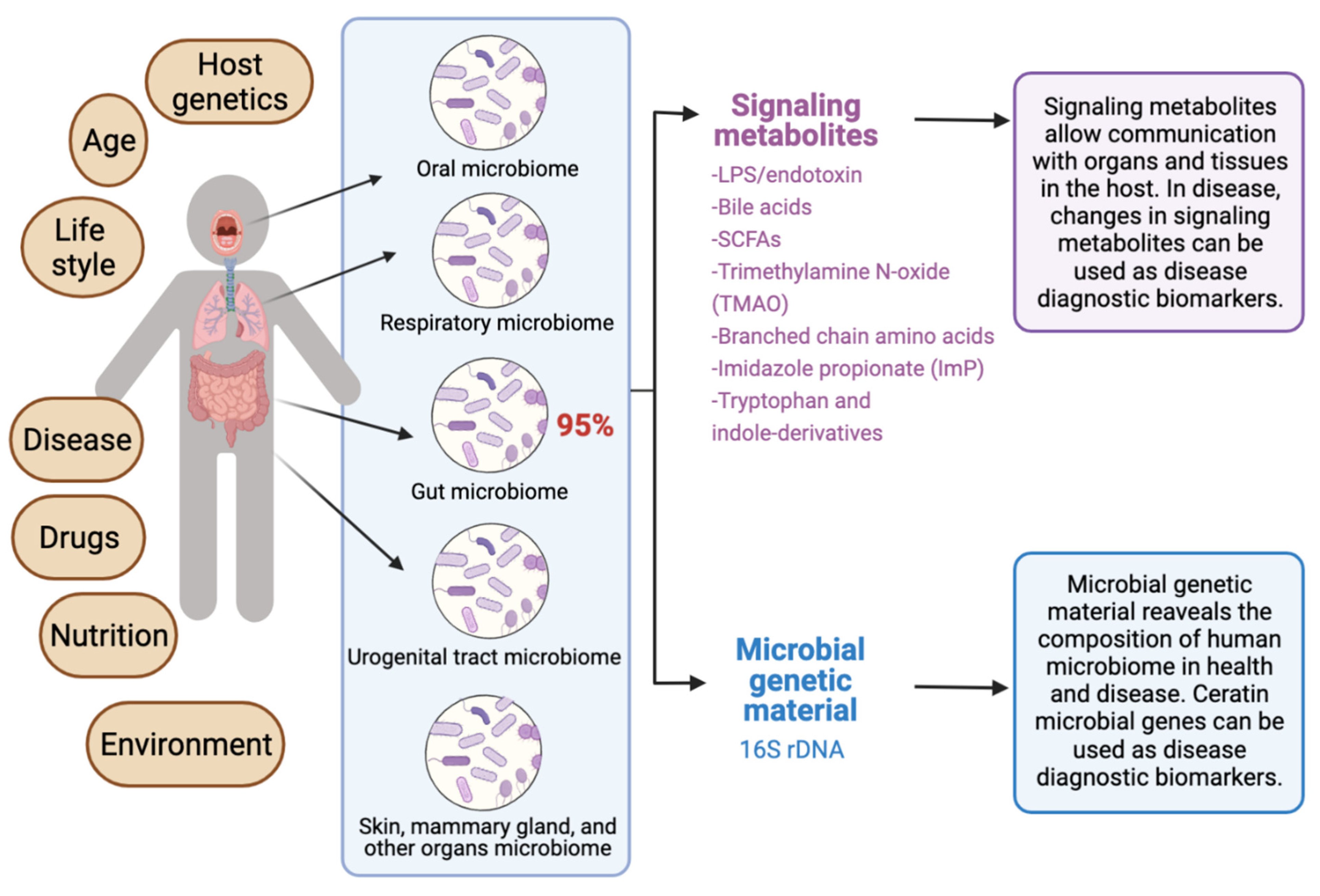
What Is a Microbiome? Understanding Microbial Communities
Microorganisms are everywherefrom the deepest oceans to the surface of our skin. Collectively, these bacteria, fungi, archaea, viruses, and other microscopic organisms form complex ecosystems known as microbiomes. Rather than existing in isolation, microorganisms interact with each other and their environment, creating dynamic microbial communities that influence ecological balance, agriculture, biotechnology, environmental science, and biomedical research.Advances in metagenomics, Next-Generation Sequencing (NGS), bioinformatics, and molecular biology have transformed microbiome research, enabling scientists to study entire microbial communities without the need to culture organisms individually. This guide explores the microbiome, major microbial communities, sequencing technologies, and laboratory tools commonly used in microbiome studies.
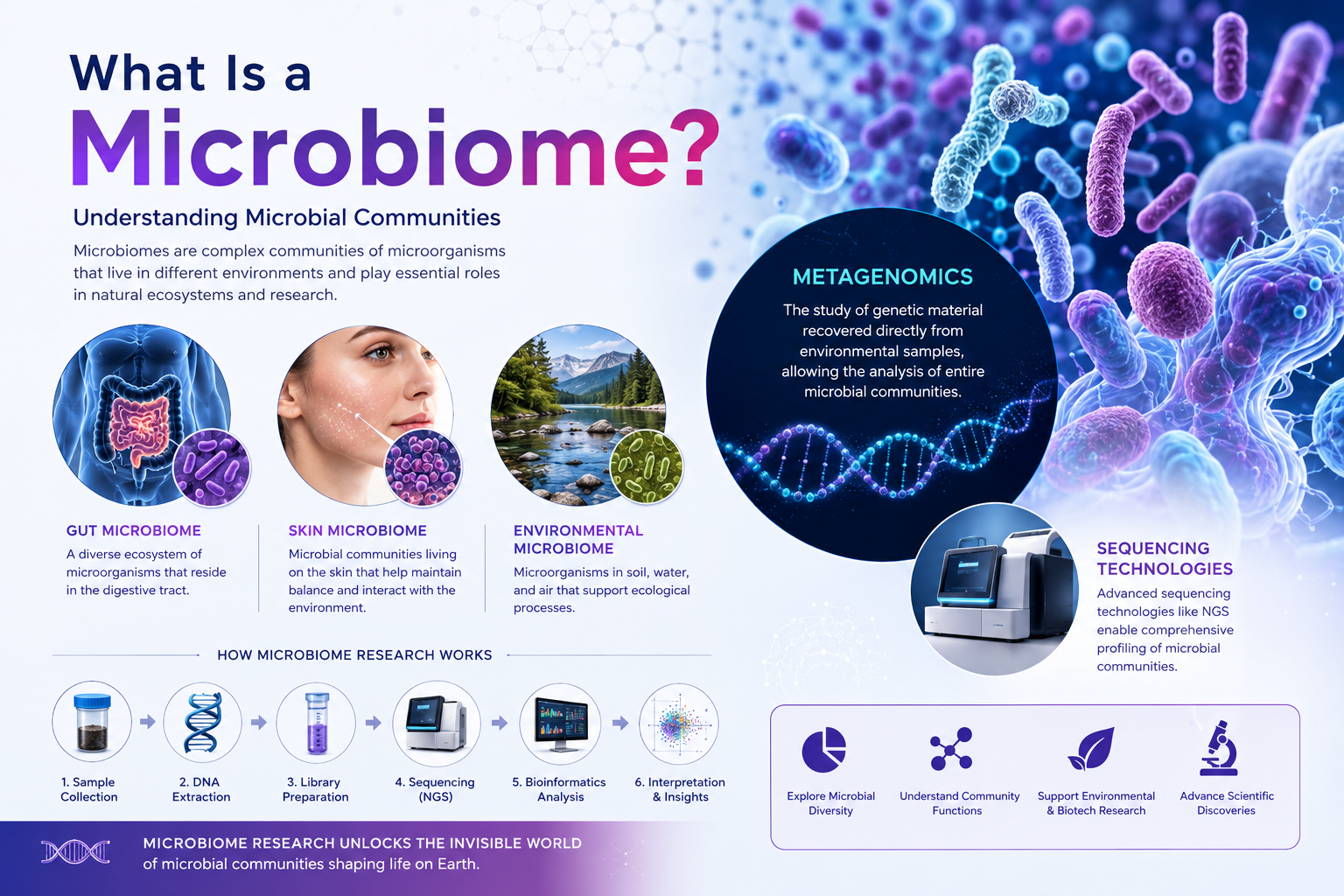
What Is a Microbiome?
A microbiome refers to the complete collection of microorganisms and their genetic material found within a specific environment.
These microbial communities include:
Bacteria
Archaea
Fungi
Viruses
Protozoa
Rather than acting independently, microorganisms form highly interconnected ecosystems where they exchange nutrients, signaling molecules, and genetic material.
Microbiomes can be found in:
Humans
Animals
Plants
Soil
Oceans
Freshwater
Industrial environments
Each microbiome possesses a unique composition influenced by environmental conditions, nutrient availability, and host interactions.
What Are Microbial Communities?
A microbial community consists of multiple microorganisms living together within a shared habitat.
Scientists study microbial communities to understand:
Species diversity
Community structure
Functional genes
Ecological interactions
Evolutionary relationships
Environmental adaptation
Unlike traditional microbiology, microbiome research focuses on entire ecosystems rather than single organisms.