The Central Dogma of Molecular Biology Explained: DNA → RNA→ Protein
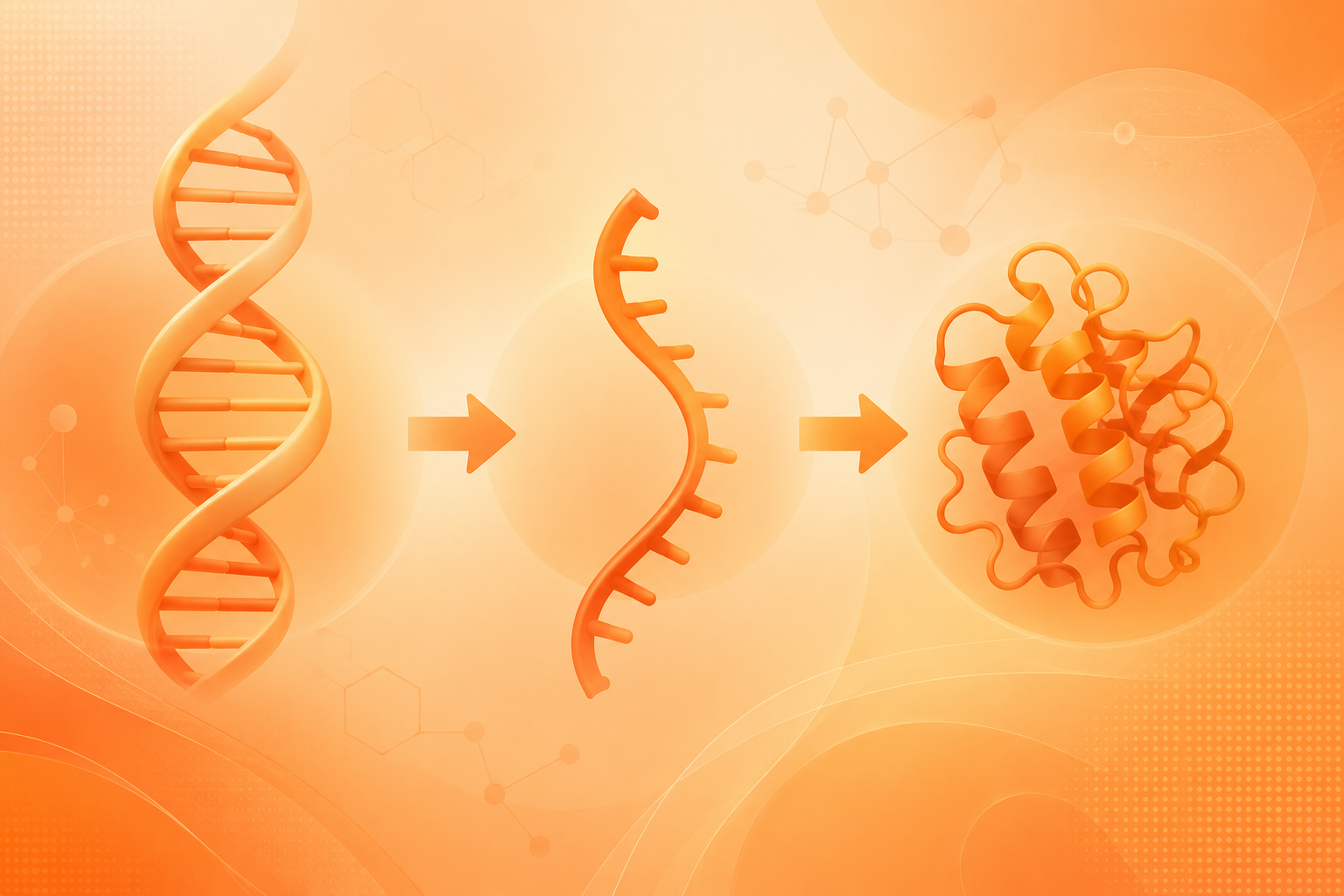
The Central Dogma of Molecular Biology is one of the most important concepts in modern life sciences. It explains how genetic information stored in DNA is converted into functional molecules that enable cells to grow, divide, respond to their environment, and maintain normal biological processes. Every organism from bacteria to plants, animals, and humans relies on this fundamental pathway: DNA → RNA → Protein Understanding the DNA to RNA to protein pathway is essential for students, researchers, educators, and professionals working in molecular biology, genetics, biotechnology, genomics, transcriptomics, synthetic biology, and biomedical research. This guide explains every step of the central dogma in detail while highlighting its significance in modern research.
What Is the Central Dogma of Molecular Biology?
The Central Dogma of Molecular Biology describes how hereditary information flows inside living cells.
The pathway follows three major stages:
DNA stores genetic information.
RNA carries genetic instructions.
Proteins perform cellular functions.
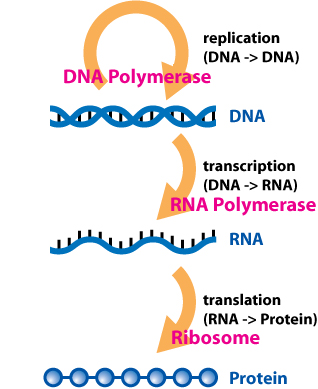
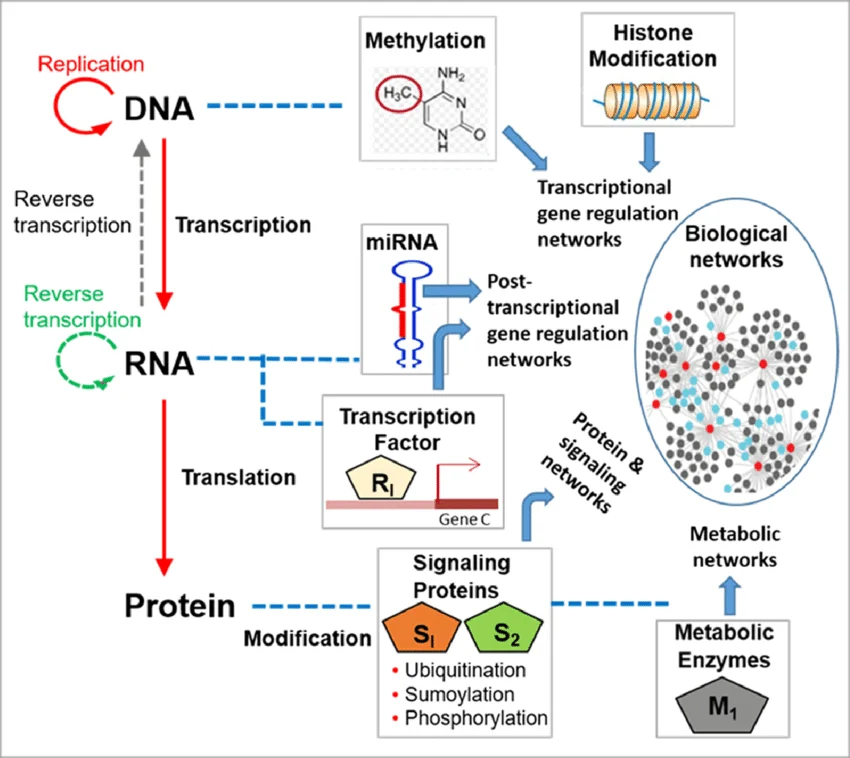
This concept was introduced by Francis Crick in 1958 and remains one of the foundations of molecular biology. Although new discoveries have expanded our understanding of gene regulation and RNA biology, the central pathway remains the framework for understanding how genes function.
Why Is the Central Dogma Important?
The central dogma explains:
How genes determine biological traits
How proteins are synthesized
How cells control gene activity
How mutations affect protein production
How biotechnology manipulates genes
How modern genomic technologies analyze biological systems
Without understanding the central dogma, it becomes difficult to study:
Genetics
Transcriptomics
Synthetic biology
Molecular diagnostics
Evolutionary biology
Understanding DNA Structure
DNA (Deoxyribonucleic Acid) is the molecule that stores hereditary information.
Every cell contains DNA organized into chromosomes, which carry thousands of genes.
Components of DNA
DNA consists of repeating units called nucleotides.
Each nucleotide contains:
Sugar (deoxyribose)
Phosphate group
Nitrogenous base
There are four DNA bases:
Adenine (A)
Thymine (T)
Cytosine (C)
Guanine (G)
These bases pair specifically:
A pairs with T
C pairs with G
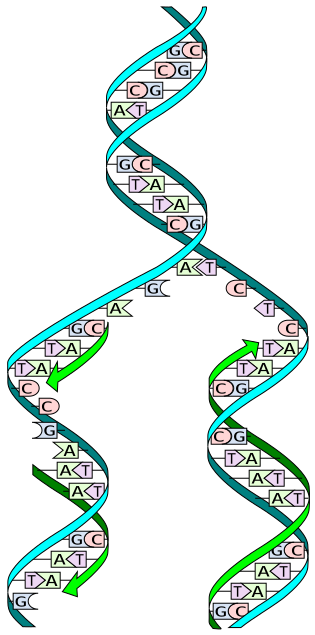
This complementary base pairing enables DNA to replicate accurately.
Double Helix Structure
DNA forms a double helix consisting of two antiparallel strands.
Important characteristics include:
Complementary strands
Hydrogen bonds
Sugar-phosphate backbone
Stable genetic storage
High replication fidelity
The double helix protects genetic information while allowing enzymes to access genes when needed.

DNA Replication
Before cells divide, DNA must be copied.
This process is called DNA replication.
Replication ensures that every daughter cell receives a complete copy of the genome.
Steps of DNA Replication
Transcription: DNA to RNA
The first step of gene expression is transcription.
During transcription, the information stored in DNA is copied into RNA.
Unlike DNA replication, only selected genes are transcribed.

Summary: DNA → RNA → Protein
Stage | Molecule | Main Process | Primary Function |
|---|---|---|---|
1 | DNA | Replication | Store and copy genetic information |
2 | RNA | Transcription | Transfer genetic instructions |
3 | Protein | Translation | Perform cellular functions |
Frequently asked questions
What is the central dogma of molecular biology?+
The central dogma describes the flow of genetic information from DNA to RNA to protein, explaining how genes direct protein synthesis.
Why is DNA replication important?+
DNA replication ensures that each new cell receives an accurate copy of the genome before cell division.
What are the three main types of RNA?+
The primary RNA molecules involved in gene expression are: Messenger RNA (mRNA) Transfer RNA (tRNA) Ribosomal RNA (rRNA)
What regulates gene expression?+
Gene expression is controlled through multiple mechanisms, including transcription factors, chromatin organization, epigenetic modifications, RNA-mediated regulation, and protein turnover.
Conclusion
The Central Dogma of Molecular Biology provides the foundation for understanding how genetic information is stored, transmitted, and expressed within living cells. From the stability of DNA and the precision of DNA replication to the conversion of DNA to RNA through transcription and the synthesis of proteins by translation, every stage is essential for cellular function and biological diversity. Advances in genomics, transcriptomics, proteomics, single-cell sequencing, spatial biology, gene editing, and synthetic biology continue to build upon these core principles. Whether you are beginning your journey in molecular biology or working in advanced biotechnology research, a solid understanding of the central dogma remains essential for interpreting gene expression, exploring molecular mechanisms, and applying modern life science technologies.