CRISPR Gene Editing Explained Step by Step: A Complete Beginner's Guide
Modern biotechnology has transformed our ability to study and modify DNA with remarkable precision. Among the most revolutionary innovations is CRISPR gene editing, a technology that enables researchers to target specific DNA sequences and make highly accurate modifications. Since its introduction into molecular biology laboratories, CRISPR has accelerated discoveries in genetics, agriculture, microbiology, synthetic biology, and biomedical research. Its simplicity, efficiency, and versatility have made it one of the most influential scientific breakthroughs of the 21st century. This guide explains how CRISPR works step by step, explores its components, discusses its applications, advantages, limitations, and highlights future developments shaping modern biotechnology.
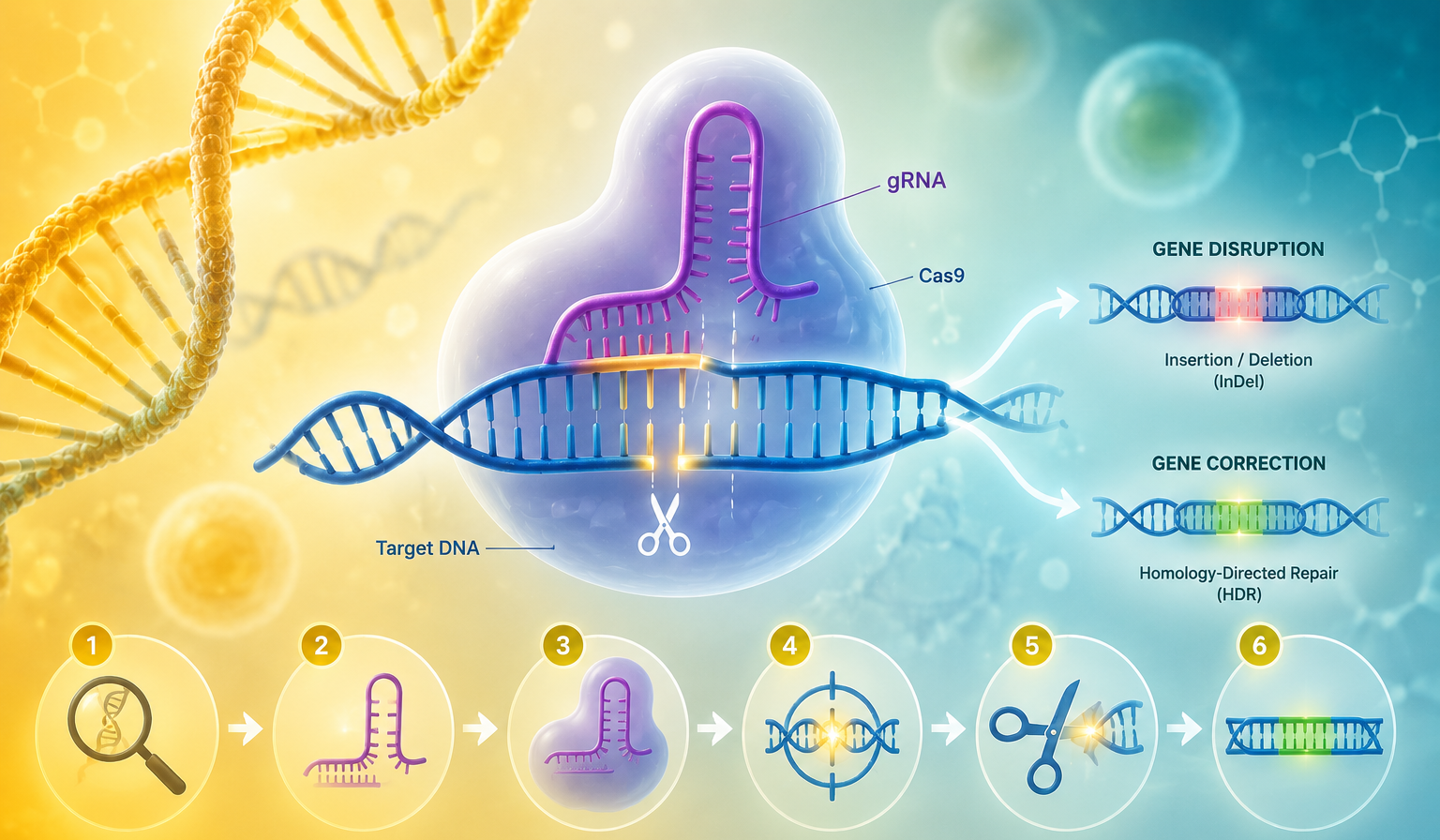
What Is CRISPR?
CRISPR stands for Clustered Regularly Interspaced Short Palindromic Repeats.
Originally discovered in bacteria, CRISPR functions as a natural defense system against invading viruses. When bacteria survive an infection, they store small fragments of viral DNA inside their own genome. These stored sequences allow bacteria to recognize and defend against future attacks from the same virus.
Scientists adapted this natural mechanism into a powerful laboratory tool capable of editing DNA in virtually any organism.
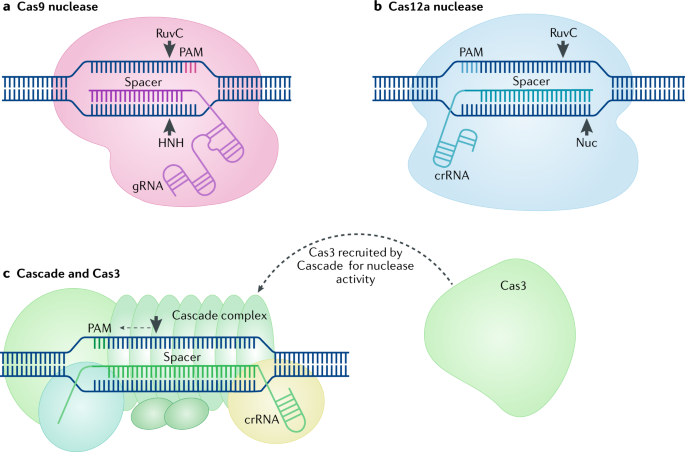
The Main Components of CRISPR-Cas9
Successful gene editing requires several essential components.
